Green Thumb Tips -
April
Echter’s Plant Doctors are available
during store hours seven days a week to answer
your gardening questions. For
accurate diagnosis, it helps to bring in a sample.
- Flower Gardens
Watering plants that have been recently planted outdoors is tricky. The rule
is to water them in thoroughly after they are planted. Then watch the area next
to the edge of the original soil ball to see if it is getting dry. You want to
encourage the roots to move out into the surrounding soil to get water without
letting the original soil ball get too dry. Reduce the watering frequency with
time, but water thoroughly each time you water. Don't just wet the surface of
the soil.
-
- An easy way to harden plants that are going outdoors is to cover them with
Plant & Seed Guard for a few days after you plant them. You can use wire
supports if necessary to hold the fabric away from the plants. Attach it to the
ground with wire staples. It’s re-usable.
-
- Pot begonias and dahlias now and keep them indoors until later in May.
This will give them a good head start and they will bloom earlier after putting them outside.
-
- Plant gladioli,
lilies, cannas, callas, ranunculus, crocosmia and other summer blooming
bulbs toward the end of April. Plant pansies between the
bulbs to give you early color.
-
- Fertilize your
spring-flowering bulb plants after the blooms have finished with Gro Rich
Rose & Perennial fertilizer. Don't remove the leaves until they have turned brown.
Green
leaves help build strength in the bulbs for next year.
-
- Use soaker hoses in
your flower beds and vegetable gardens. You can either lay the hose on top
of the soil next to the plant or bury it to get water directly to the roots.
Soaker hoses can also be used to water
trees and shrubs.
-
- When you hand water, use a nozzle with a shut-off or trigger nozzle that
stops the flow of water when released so you don't waste water.
-
- Before
transplanting, be sure that your plants are not dry.
-
- Flowering annual starts which can be planted out
in early April after “hardening them
off” are alyssum,
dusty miller, sweet peas, anchusa, larkspur, centaurea,
pansies, dracaena, and snapdragons.
-
-
- Pinch back your annuals to promote stronger,
bushier plants and more flower production.
- Perennials & Roses & Vines
-
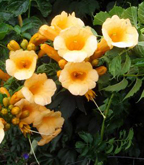
If you have a fence you’d like to hide
there are several plants you can use besides shrubs. Vines like trumpet
vine, silver lace vine, wisteria, honeysuckle vine, Virginia creeper and
climbing roses which are perennials can be used. Annual vines like
sweet peas, morning glories, Scarlet runner
beans are just a few good fence covers. Remember other tall plants like
sunflower or hollyhocks.
-
-
- Group flowers and vegetables with the same water needs together to take
advantage of their lower water requirements.
-
- When planning your flower bed, whether it is
planted in annuals or perennials, don’t overlook ornamental grasses for a
beautiful contrasting texture.
-
-
Spring is the best
time to divide perennials that bloom in mid or late summer such as asters and
chrysanthemums. Wait until September to divide early spring-flowering
perennials like bleeding hearts and peonies.
-
- Plant wildflower
seeds in April. Improve your soil before planting by raking in either peat moss or compost
or a
combination of the two.
-
-
Add some spice to
predictable bulb and perennial beds by broadcasting seeds of annuals like
larkspur, cosmos, poppies, bachelor buttons or other annuals among your
established plants.
-
-
- Trees & Shrubs
- April is the best
time to plant new trees and shrubs. Improve the soil
first with compost and/or peat moss. Then apply MYKE Tree &
Shrub Transplanter and water in with Root
Stimulator, both of which reduce transplant shock and stimulate root growth.
-
- When planting large trees,
stake them for the first year. Use
2” wide staking straps around the tree. Do
not use wire, twine or rope on
the tree itself. Place the stakes 2-3 feet away from the tree, tie the strap
to the stake and leave a little slack. Let the tree sway slightly to develop
roots and caliper.
-
- April is perfect
time to take stock of the plants in your yard. Are there plants that
have overgrown their spaces? Are some sickly and unattractive? Now is the time to pull them out and replace them with a new and vibrant
plant. This is what garden renewal is about.
-
- Cut back butterfly
bushes, blue mist spireas, Russian sage and other late summer-blooming
shrubs at this time.
-
- If
you didn’t get around to pruning your shrubs and trees in March, you can
still do some pruning now, the earlier the better.
-
- Start your fertilizing program for roses, trees and shrubs when the leaves
appear on the branches.
-
Protect your ash trees from Emerald Ash Borers. Use Ferti-lome Tree and Shrub Systemic Insect Drench
for easy-to-use systemic protection from insects all year long. Follow the
label directions and just mix it with water in a watering can or bucket and
pour the solution around the base of trees or shrubs.
-
- Watch for distorted leaflets on honeylocust
trees. Leafhoppers can damage this trees fine leaves. They can also damage
lawns. A good insecticide can help eliminate these tiny pests.
-
-
If you don't have room for two different fruit trees for cross pollination,
try one of our 4-in-1 apple, pear
or sweet cherry trees for a great crop of
fruit. There are four different grafts on one tree.
Are you tired of raking up crabapples in the summer? Spray crabapple trees
with Monterey Floral Growth Regulator at mid to full bloom. This will prevent the fruit from forming.
Check for borer holes in your shade, spruce and pine trees. Evidence of
these borers will be small holes, possibly with evidence of sap and/or
sawdust. Our plant doctors can recommend the proper treatment depending on
the type of tree and borer.
Remove protective tree wrap from young trees
around April 1. Check the
trunk for any problems.
-
- Remember the worms on the ash trees last
year? Watch for them again this year and spray with Eight from Bonide.
-
- Although annuals look
beautiful planted around new trees, there is a danger of over-watering your
trees while trying keep
your flowers pretty.
-
- There are several trees, shrubs, and flowers which will attract those
all-important pollinators – the bees. Anyone with a fruit tree or a
vegetable garden knows their importance. Stop by our Plant Doctor desk
for
a list of these plants. Remember to refrain from spraying
insecticides while bees are present. Something to note: bumblebees are
more effective pollinators than honeybees.
-
- Deep-root
waterers get water under the lawn which is useful for trees, shrubs and roses.
Some of these tools
also have a container for dissolving fertilizer pellets to feed your
plants right at the roots.
-
- Before transplanting,
always make sure trees and shrubs are not dry to help
avoid transplant stress.
-
- Start treating your pine and spruce trees for insects like scale, tussock
moth, Cooley spruce gall, pine tip moth, pitch mass borer, and ips beetle. Come in and we can recommend the appropriate preventive treatments.
-
Vegetable Gardens
- Before rototilling your garden, be sure the soil is on the dry side. Add
compost and/or peat moss to the garden and work it all in.
-
- It's time to plant
seeds of peas, turnips,
carrots, beets, spinach, Swiss chard, lettuce, radishes. Plant garlic
cloves, seed potatoes, dormant strawberry plants and
onion sets.
-
- Keep an N-sulate cover handy for unexpected frosts after your garden is
planted. It will keep the frost off new seedlings as they emerge from the soil.
-
- Mid-April is the time to set out broccoli, cabbage, cauliflower, kohlrabi,
Swiss chard, radicchio, and Brussels sprouts plants. Be sure to “harden
them off” first.
-
- Enjoy an earlier growing season by four weeks by setting out Season
Starter plant protectors in April. You can set tomatoes
and pepper plants inside them ten days after initial setup of your Season
Starter. The setup period allows the soil beneath the solar shelters to warm to a
temperature suitable for plant growth.
-
Vegetable gardens
benefit from watering at ground level, instead of watering overhead.
Watering with soaker hoses helps to prevent many diseases and insects. -
- Remember to rotate your vegetable crop
plantings each year. Plant each variety of
vegetable in a different part of your garden than you did last year. This
will minimize repeated problems with disease and insects.
-
- Plant your fast growing crops in two-week intervals to prolong the
availability of lettuce, spinach, peas, and radishes. When
the weather gets too hot for these vegetables, plant some in the shade of
taller plants, like pole beans and corn. This system is also good for
gardeners with limited space.
-
- By placing a floating row
cover over your carrot, lettuce, and spinach seed, your seeds will
germinate quicker, and the birds won’t make a meal of them. Floating row
covers also eliminate cabbage loopers on cabbage, broccoli, cauliflower, and
Brussels sprouts.
Keep
your cover handy in case there is a cold snap
for any newly planted vegetables and flowers.
-
Lawns- Early April is the best time to start
fertilizing your lawn. By using a fertilizer with pre-emergent (weed and grass
preventer), you will be able to eliminate a lot of annual grass and weed seeds
by keeping them from germinating.
-
- April is a good time to seed or overseed
lawns. Use a good grass seed and apply New Lawn Starter fertilizer after the
seed is sown. Keep the area moist even after germination. Do not apply a
pre-emergent crabgrass control before or after seeding, as this will prevent
grass seed germination.
Core aerate your lawn before fertilizing this month. Not only does this
help the lawn’s vigor and health, it also reduces maintenance and water usage. Be sure your lawn is well watered
a day or two before aeration.
-
- Keep your mower blade sharp. Dull blades can invite lawn diseases to
enter grass blades. Bring your rotary mower blades into Echter’s for
sharpening. You can bring them in on or off the mower.
-
- Use a rain gauge to measure the amount of water you are putting on your
lawn. Apply 3/4” to 1” slowly enough to evenly soak the lawn without
running off the area.
-
- Inspect your irrigation system regularly. Be sure sprinkler heads
are not plugged and are properly adjusted for the radius and the level of
spray needed. As surrounding plants grow, you will need to modify your system. Especially check for leaks in the sprinkler lines.
-
Houseplants- On
a nice warm day, take your houseplants outside and give them a shower, or
use your bathroom shower. The plants will appreciate a good cleaning after
being inside all winter.
- Birds
- It's spring cleaning
season even for birds. If you haven't cleaned your bird houses this
year, clean them
out and then spray them with a bird feeder cleaner before the new birds arrive.
-
- Continue feeding the birds at your feeders. Seed-producing plants are just
beginning to grow and there
are now more birds competing for the depleted
wild seed supply. Give them a supply of water also.
-
Echter's
Home
|