Echter's Home
The Butterfly Garden
-
Could there be a more magical way to spend a gentle summer’s afternoon than lounging in the shade of your favorite tree surveying a sea of flowers and watching the effortless dance of brightly colored butterflies as they visit one blossom after another? The English name, butterfly, supposedly originated in Britain, where people linked the yellow brimstone butterflies to butter flying. In fact, it was not until the last few hundred years that people even suspected there was a connection between caterpillars and butterflies.
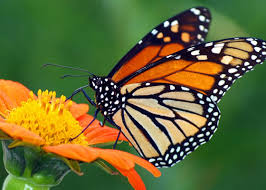
A growing environmental awareness has people realizing that butterflies need to be conserved. Many species are endangered. Butterflies pollinate flowers and play a vital part in the food chain. Caterpillars eat leaves, and in turn, are eaten by birds, amphibians, and reptiles.
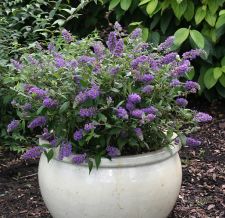
Fortunately, butterflies are easy to attract, all you need is to provide plants on which they can feed and flowers from which the adults can find nectar. This will not only attract butterflies for your own enjoyment, but also help them flourish.
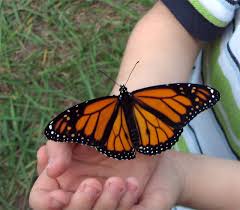 An area
can be made more attractive to butterflies if it can provide the type of
environment that they favor. Most butterflies prefer some shelter from
high winds common along the Front Range, and at the same time, open sunny
areas to keep their bodies warm enough to fly. Warm, protected, sunny
places are particularly important to butterflies in the spring and fall
when nights are cooler when it will take them longer to warm-up to flight
temperature in the morning. Windbreak types of planting or other means of
sheltering the butterfly garden will also help keep the butterflies from
having to spend extra energy fighting wind currents as they feed, mate
and lay eggs.
An area
can be made more attractive to butterflies if it can provide the type of
environment that they favor. Most butterflies prefer some shelter from
high winds common along the Front Range, and at the same time, open sunny
areas to keep their bodies warm enough to fly. Warm, protected, sunny
places are particularly important to butterflies in the spring and fall
when nights are cooler when it will take them longer to warm-up to flight
temperature in the morning. Windbreak types of planting or other means of
sheltering the butterfly garden will also help keep the butterflies from
having to spend extra energy fighting wind currents as they feed, mate
and lay eggs.
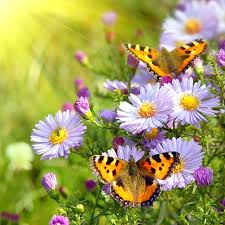 The main food of adult butterflies is nectar, which can
come from flowers and special butterfly feeders. Certain flowers are more
appealing to butterflies than others (add
link?). Be sure that your garden offers nectar
producing flowers throughout the growing season, so that your butterflies
will always have food close at hand. Also,
plant nectar plants of various heights, because smaller butterflies like
to stay low, while the larger species prefer to stay higher up when
feeding.
The main food of adult butterflies is nectar, which can
come from flowers and special butterfly feeders. Certain flowers are more
appealing to butterflies than others (add
link?). Be sure that your garden offers nectar
producing flowers throughout the growing season, so that your butterflies
will always have food close at hand. Also,
plant nectar plants of various heights, because smaller butterflies like
to stay low, while the larger species prefer to stay higher up when
feeding.
If you want to do more than attract neighborhood butterflies to your garden, provide some food plants for caterpillars, too. They acquire a different menu than the adults. Caterpillars eat the leaves and sometimes flowers and seed of certain plants. -
 There
are other ways to attract butterflies. Some butterflies like to drink from
the wet edges of mud puddles, ponds or streams. It is likely that they are
ingesting important minerals and nutrients. Consider making a mud puddle in
a corner of the garden, or place an Echter's butterfly puddler in your
garden. Butterflies feed on rotting fruit, sap dung and carrion to ingest
needed nutrients and minerals.
There
are other ways to attract butterflies. Some butterflies like to drink from
the wet edges of mud puddles, ponds or streams. It is likely that they are
ingesting important minerals and nutrients. Consider making a mud puddle in
a corner of the garden, or place an Echter's butterfly puddler in your
garden. Butterflies feed on rotting fruit, sap dung and carrion to ingest
needed nutrients and minerals.
 Finally,
keep in mind that butterflies are insects, and the indiscriminate use of
pesticides in the garden can have a devastating effect on local populations.
Most garden insecticides can kill at both the caterpillar and butterfly
stages, so be vigilant and spot spray only those plants that are truly in
trouble.
Finally,
keep in mind that butterflies are insects, and the indiscriminate use of
pesticides in the garden can have a devastating effect on local populations.
Most garden insecticides can kill at both the caterpillar and butterfly
stages, so be vigilant and spot spray only those plants that are truly in
trouble.
Butterfly Puddler